
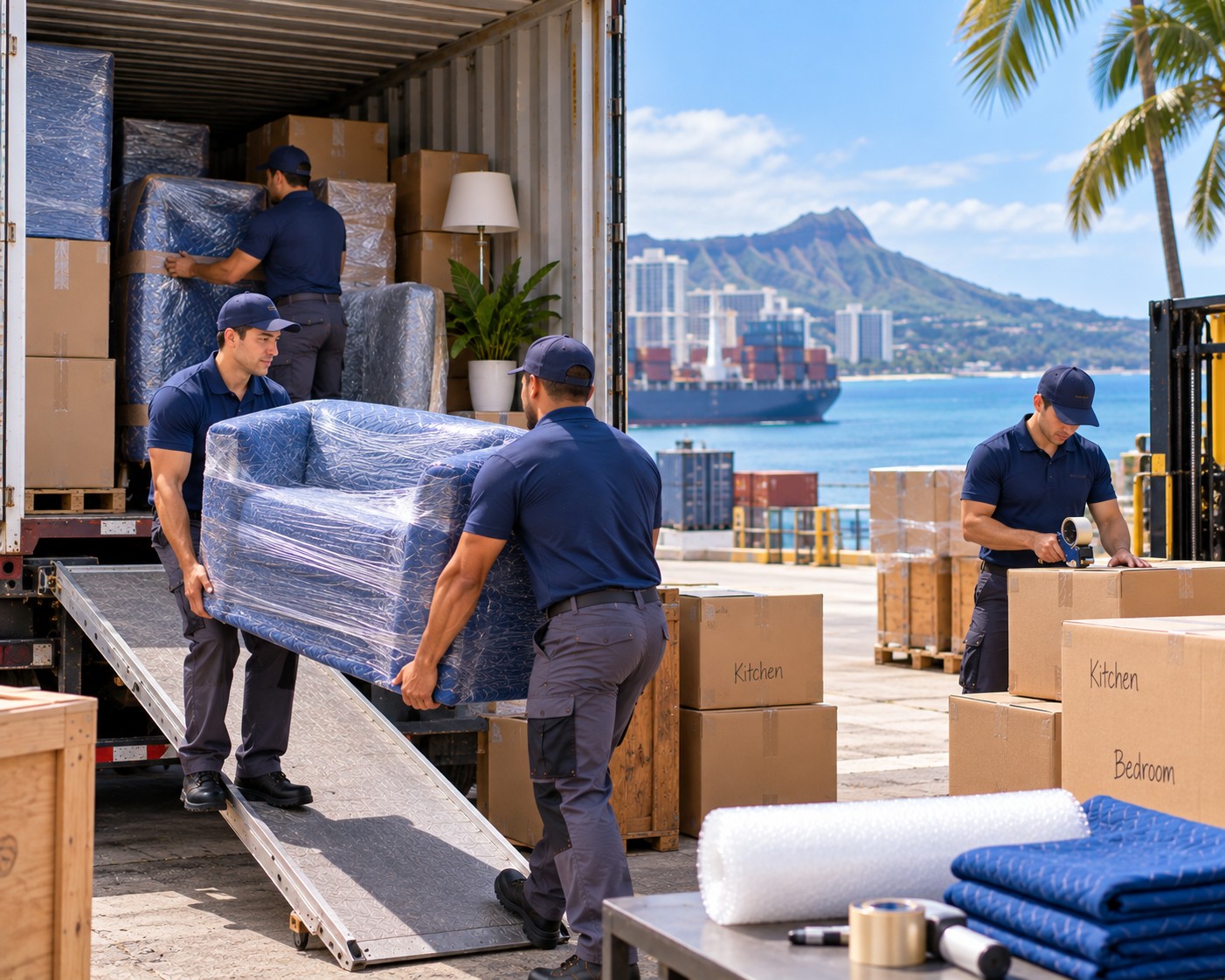
Moving from a California apartment or condominium to Hawaii can feel very different from relocating between two mainland neighborhoods. The household may be smaller, but the move often involves elevators, shared hallways, building rules, limited loading areas, and transportation across the Pacific. These details can influence the schedule just as much as the distance itself.
For residents preparing for Moving from California to Hawaii, the most effective approach is to plan the property logistics and long-distance shipment together. A professional Hawaii Moving Company can help coordinate both sides of the relocation, from collecting belongings at a multi-unit building to arranging delivery at an island residence.
Why Apartment and Condo Moves Need Extra Coordination
Apartment buildings rarely offer the same access as detached homes. Movers may need to reserve an elevator, follow loading-dock rules, use a specific entrance, or work within limited time windows. Some buildings also require certificates of insurance, advance notices, or approval from property management.
These requirements should be identified before moving day. A short conversation with the building manager can clarify where the truck may park, which doors can be used, and whether protective coverings are required in common areas.
Measuring the Route Before Pickup
Large furniture may fit comfortably inside an apartment but become difficult to move through a narrow corridor or elevator. Sofas, bed frames, wardrobes, and dining tables should be measured in advance.
A professional moving team can review stairwells, doorways, elevator dimensions, and turns between the apartment and the loading area. This reduces the risk of discovering that a large item cannot pass through the building after packing has already begun.
Preparing Belongings for a Pacific Shipment
Moving from California to Hawaii involves more than loading boxes onto a truck. Household goods may travel through mainland transportation facilities and a port before continuing by ocean freight.
That longer route makes careful packing important. Fragile dishes, electronics, artwork, mirrors, and decorative objects need protection against movement and repeated handling. Furniture may require wrapping, corner protection, or partial disassembly.
A Hawaii Moving Company can also help homeowners decide which items should travel and which may be easier to replace after arrival. Shipping costs and available space can make it useful to review bulky, rarely used, or outdated belongings before packing.
Managing Building Restrictions and Moving Day Timing
Condo and apartment communities often have strict rules about when moving activity may take place. Some allow moves only during business hours, while others limit weekend access or require a reservation for the service elevator.
Creating a Clear Pickup Schedule
A realistic schedule should include time for:
- Protecting floors, walls, and elevator interiors
- Carrying items from the unit to the loading area
- Disassembling larger furniture
- Checking the inventory before departure
- Completing building sign-out or access procedures
If the building permits only a short loading window, the shipment should be ready before the movers arrive. Boxes that are sealed and labeled in advance help the crew work efficiently without delaying other residents.
Choosing What to Take to the Island
Apartment residents often accumulate furniture that suits a particular floor plan. A large sectional, oversized desk, or tall shelving unit may not work in the new condo.
Before committing each item to the shipment, homeowners should consider the dimensions of the destination rooms, storage availability, and the cost of transporting bulky goods. The same review applies to appliances, outdoor furniture, and decorative pieces.
For people Moving from California to Hawaii, this stage is an opportunity to create a more intentional household rather than automatically transferring every possession.
Coordinating Delivery at the Hawaii Property
The destination building may have its own access requirements. Elevators could need reservations, parking may be restricted, and delivery teams may have to follow specific instructions for shared spaces.
Customers should confirm that the new residence is ready, the access route is clear, and someone can receive the shipment. If the property is still being prepared, temporary storage or a revised delivery schedule may be necessary.
With early communication, accurate measurements, and a coordinated transportation plan, an apartment or condo relocation can remain manageable despite the distance. Professional support allows residents to focus on settling into island life while their household goods move through each stage with greater organization.