
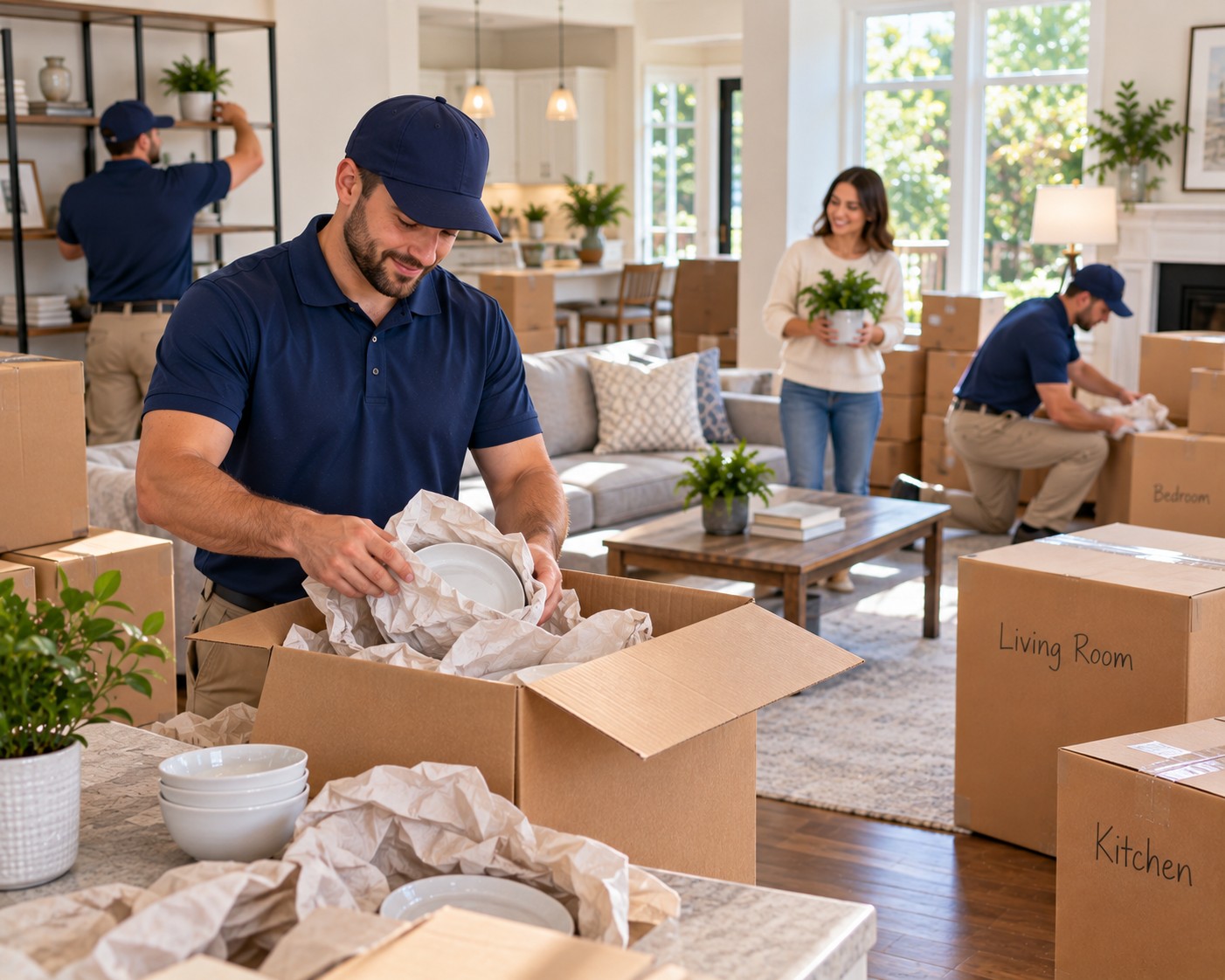
Arriving at a new home is exciting, but the first hours after a move can quickly become overwhelming. Boxes may cover the floors, furniture may be waiting to be positioned, and essential belongings can seem impossible to find. A residential unpacking service is designed to turn this chaotic stage into a more organized and comfortable start.
Instead of leaving homeowners to handle every carton alone, professional teams help open, sort, place, and arrange belongings according to the layout of the new property. Price Movers provides moving assistance for different household needs, and its residential unpacking support can be explored through https://pricemovers.com/.
The Process Starts With a Walkthrough
Before opening boxes, unpacking specialists usually inspect the new home and discuss the homeowner’s priorities. This short walkthrough helps establish how the work should be organized.
Reviewing Rooms and Priorities
The team identifies bedrooms, kitchens, bathrooms, living areas, offices, and storage spaces. The homeowner can explain which rooms need to be functional first.
For example, a family may want children’s bedrooms arranged before decorative items are unpacked. Someone moving into a new apartment may prefer the kitchen and bathroom to be ready on the first day.
Confirming Furniture Placement
If furniture has already been delivered, the team can review where larger pieces should be positioned. Clear instructions reduce unnecessary lifting and prevent boxes from being opened in areas that will later be blocked by furniture.
Opening and Sorting the Boxes
The main part of unpacking services involves opening cartons carefully and separating their contents by room and purpose. Professionals do not simply empty boxes onto the nearest surface.
Handling Household and Personal Items
Clothing, books, kitchenware, toiletries, office supplies, and everyday belongings are sorted according to their intended location. This approach helps create order as the work progresses.
Items that belong together can be placed in the same area, while belongings that need further decisions can be set aside for the homeowner.
Giving Special Attention to Fragile Goods
Glassware, framed pictures, mirrors, electronics, and decorative objects require controlled handling. Professionals open protective materials carefully and inspect items for visible damage.
Fragile possessions should not be stacked carelessly while other boxes are being processed. A separate area can be used for delicate items until the appropriate placement is confirmed.
Placing Belongings in Their New Spaces
Unpacking is more useful when it includes thoughtful placement rather than merely removing packaging.
Organizing Cabinets and Shelves
Depending on the agreed scope, specialists may place dishes in kitchen cabinets, arrange books on shelves, organize clothing in wardrobes, or position everyday products in bathrooms.
The goal is to make the home functional while respecting the homeowner’s preferences. Items should not be placed permanently without clarification when their location is uncertain.
Setting Up Essential Areas First
A practical unpacking sequence often begins with the spaces needed immediately after arrival. Beds, basic kitchen equipment, towels, toiletries, chargers, and daily clothing can be prioritized.
This allows residents to rest, prepare food, and manage normal routines without searching through dozens of unopened cartons.
Working With Large Appliances and Specialized Items
Residential unpacking may also involve large appliances, electronics, and other substantial belongings. These items require more care than ordinary boxes.
Professionals may remove protective wrapping, position appliances in their designated areas, and keep accessories or installation components together. Some appliances require specialist installation, electrical connections, or plumbing work, which should be arranged separately when necessary.
Price Movers describes its unpacking support as suitable for household items, electronics, fragile goods, large appliances, personal effects, and specialized belongings. The service can be adjusted to cover a single room or a larger part of the home.
Removing Packing Materials
As boxes are emptied, cardboard, paper, plastic wrap, and other packing materials can quickly accumulate. An organized team keeps used materials from obstructing walkways and gathers them as the work continues.
Depending on the agreed service, packing debris may be collected and prepared for disposal or recycling. This leaves the home more comfortable and reduces the amount of cleanup required from the residents.
A More Comfortable First Day
Residential unpacking services are designed to reduce the physical workload and mental pressure associated with moving into a new property. Instead of spending several days opening boxes without a clear system, homeowners can focus on settling in while professionals organize the contents.
From the initial walkthrough to careful handling, room-by-room placement, and removal of packing materials, every stage contributes to a smoother transition. A well-planned unpacking service helps transform a crowded new house or apartment into a usable living space much sooner.