
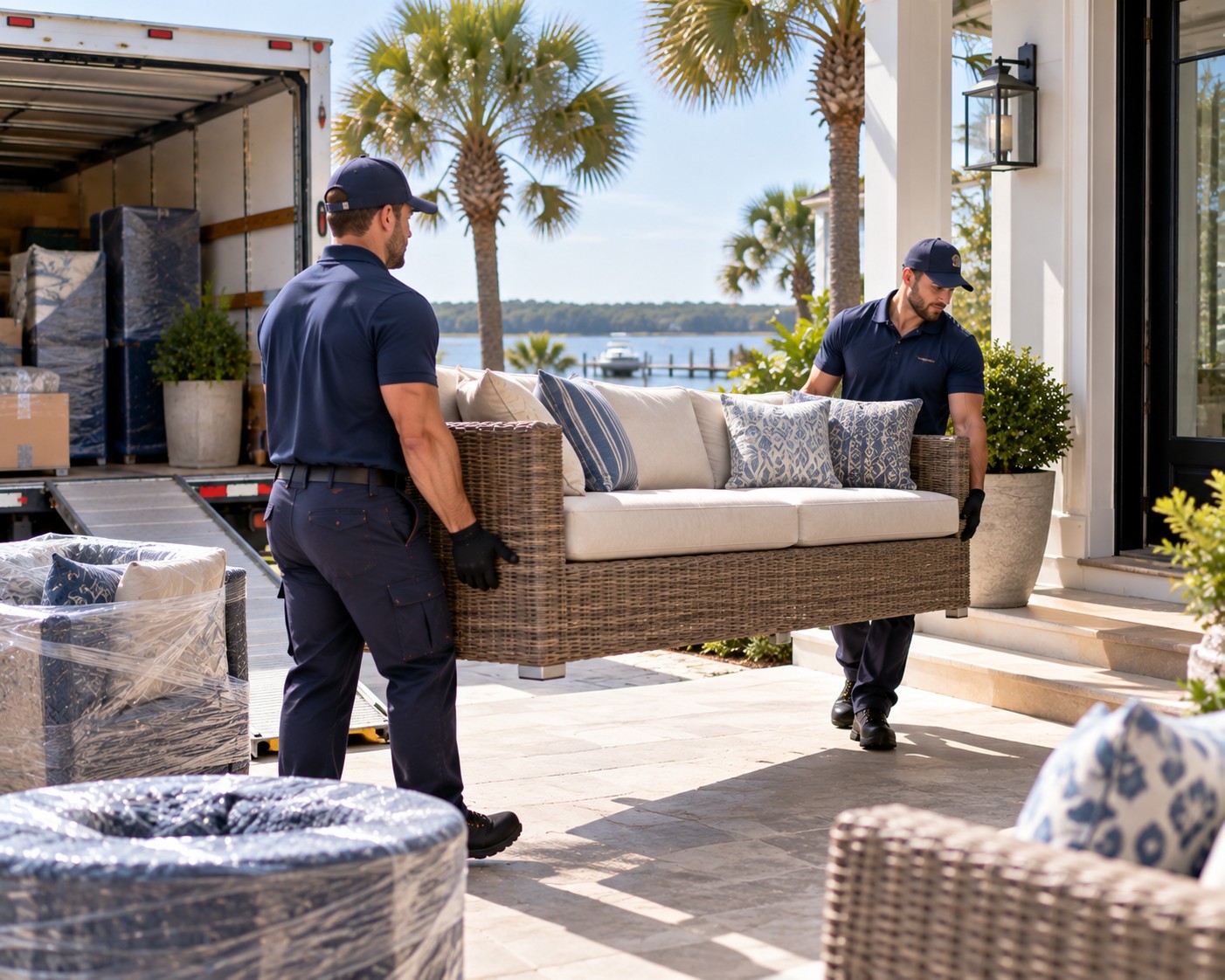
A beautifully furnished patio can be the heart of a Hilton Head property. Teak dining sets, designer loungers, handcrafted benches, outdoor kitchens, fire tables, and weather-resistant upholstery are often selected to create a comfortable coastal lifestyle. When it is time to relocate, these pieces deserve more than ordinary loading and transportation.
High-end outdoor furniture can be heavy, oversized, delicate, and expensive to replace. Salt air, humidity, sand, and prolonged sun exposure may already affect certain materials, while careless handling can cause scratches, dents, fabric damage, or structural problems. Professional moving support from https://starvanlinesmovers.com/ can help homeowners plan transportation around the condition, size, and value of every outdoor item.
Why Luxury Patio Furniture Requires Specialized Handling
Outdoor furniture is designed to withstand changing weather, but that does not mean it can be moved without protection. Teak and other hardwoods may have carefully finished surfaces that can be marked by rough contact. Powder-coated metal can chip when pieces strike one another, while wicker and woven materials may snag against doorframes or truck interiors.
Large outdoor furniture also creates access challenges. Sectional sofas, wide dining tables, oversized umbrellas, and built-in-style grills may not fit through standard doors or narrow gates. Before moving day, each item should be measured and evaluated to determine whether it needs partial disassembly.
Create a Detailed Outdoor Inventory
A separate inventory for exterior belongings makes the relocation more accurate. Include furniture from patios, balconies, pool areas, screened porches, garages, garden rooms, and storage sheds.
The inventory should identify:
- Material and finish
- Approximate dimensions
- Fragile or removable components
- Cushions and upholstery
- Glass surfaces
- Hardware and assembly requirements
- Existing scratches or signs of wear
Photographs can also document the original condition of valuable pieces before packing begins.
Protect Materials From Coastal Exposure
Hilton Head’s coastal environment makes preparation especially important. Sand can work into joints and moving mechanisms, while moisture may remain trapped beneath cushions or inside covers. Furniture should be cleaned and completely dried before it is wrapped or loaded.
Cushions should be packed separately in breathable protective materials rather than compressed under heavy items. Glass tabletops need edge protection and stable positioning. Umbrellas, removable canopies, and decorative accessories should be labeled and secured so they do not become separated from their main furniture pieces.
For households coordinating a relocation connected with another state, https://starvanlinesmovers.com/locations/south-dakota can also serve as a reference point when reviewing broader moving coverage and planning needs.
Plan the Route From Patio to Truck
The path between the outdoor living area and the moving vehicle should be reviewed in advance. Gates, steps, landscaping, pool edges, retaining walls, and narrow walkways can complicate the removal of oversized furniture.
A professional crew may need to use protective floor coverings, lifting equipment, furniture pads, or temporary staging areas. The safest route may not be the most direct one. In some cases, removing legs, tabletops, cushions, or umbrella poles can make a large piece easier to carry without placing pressure on delicate components.
Truck loading also matters. Heavy tables, grills, and metal frames should be positioned securely, while lighter or fragile pieces must not be placed underneath excessive weight. Each item should be protected against shifting during transportation.
Prepare the Destination Before Delivery
The new property should be ready before the furniture arrives. Confirm driveway access, gate width, stair placement, patio dimensions, and any restrictions imposed by a condominium or homeowners’ association.
A simple outdoor layout can help movers place each item correctly. Decide where dining furniture, lounge seating, grills, and decorative pieces will go before unloading begins. This reduces unnecessary handling and helps preserve the arrangement planned for the new space.
Keep Hardware and Accessories Together
Bolts, brackets, covers, cushions, remote controls, and assembly instructions should travel with the correct furniture. Use labeled bags or containers for small components and keep a written record of which parts belong to each item.
Luxury outdoor furniture represents a significant investment in comfort and property design. By combining careful inventory work, material-specific protection, access planning, and precise placement, Hilton Head homeowners can transport these belongings with greater confidence and preserve their condition for the next outdoor season.